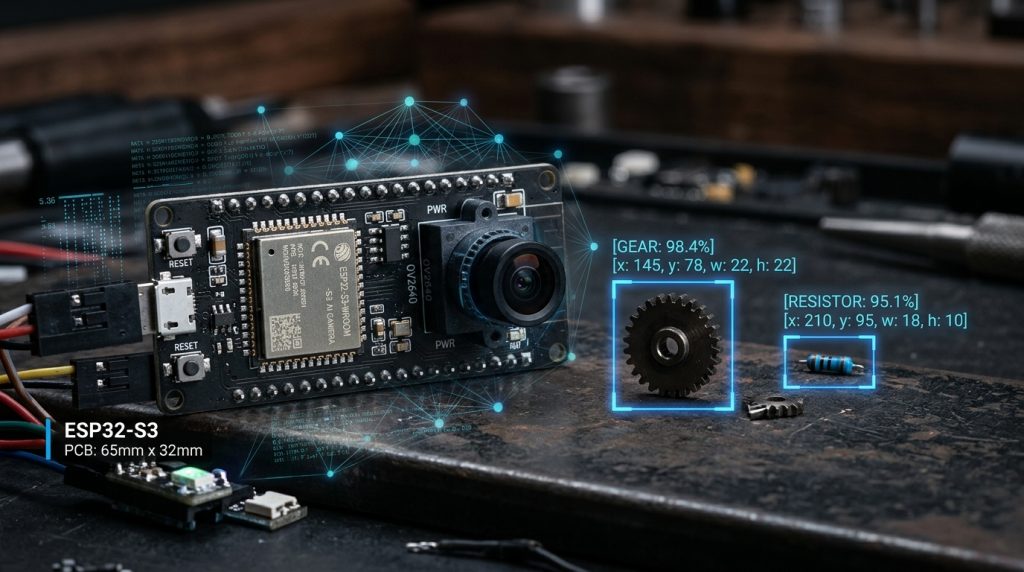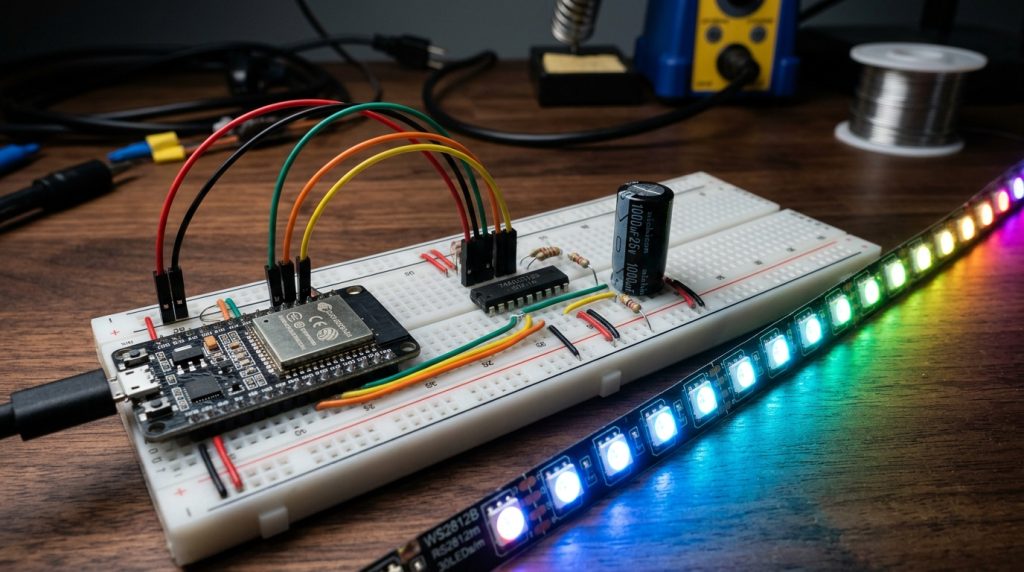
For decades, IoT and embedded systems development followed an identical, static loop: launch an IDE, write C++ or MicroPython firmware, compile, and flash over a tethered USB cable. Modifying device behavior or integrating new sensors required repeating the entire compilation and deployment process. Espressif Systems’ open-source ESP-Claw framework fundamentally alters this paradigm, inaugurating the era of “Chat-as-Coding” (Chat Coding) on edge microcontrollers.
To explore Espressif’s hardware lineup, check our ESP32 Setup Guide and our microcontroller architecture comparisons.
What is ESP-Claw? Beyond Traditional Embedded Programming
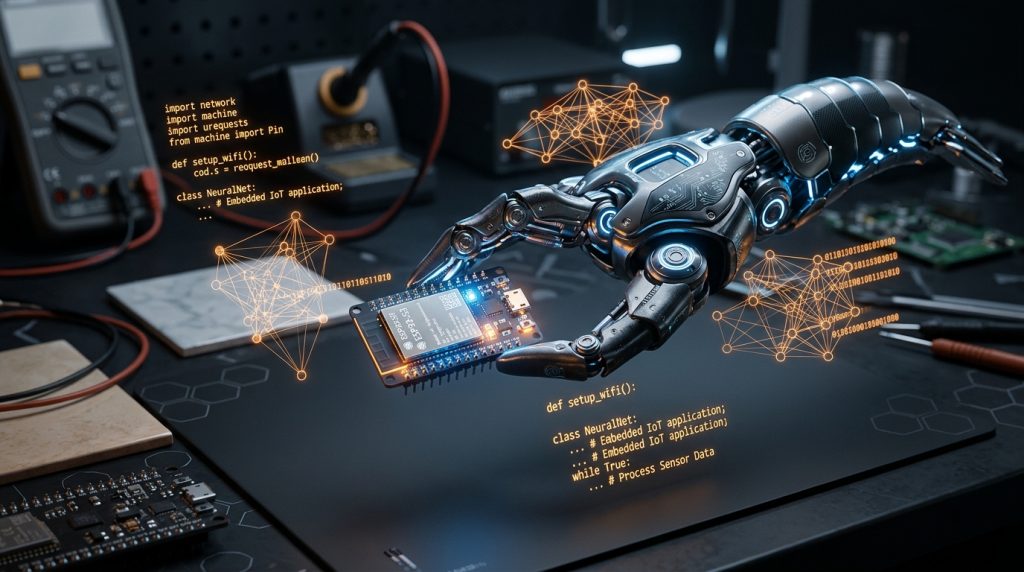
Inspired by the open-source OpenClaw concept and reimplemented in high-performance C by Espressif, ESP-Claw elevates affordable ESP32 microcontrollers from passive execution nodes into autonomous edge AI agents capable of localized sensing, reasoning, decision making, and dynamic hardware reconfiguration.
| Metric | Traditional IoT Development | Espressif ESP-Claw (Chat Coding) |
|---|---|---|
| Programming Method | Manual C++ / Arduino / Python code | Natural language commands (English, etc.) |
| Build & Deployment | Host toolchain compilation and USB flashing | On-device autonomous execution |
| Dynamic Updates | Requires firmware rebuild and physical/OTA flash | Instant rule adjustments via chat |
| Interaction UI | Serial terminal or static dashboard | Telegram, Feishu, or Web Console |
Under the Hood: On-Device Lua Virtual Machine and LLMs
The control loop operates through three core stages:
- Natural Language Input: The user sends a standard text instruction via Telegram or web console, such as “Monitor the humidity sensor on GPIO4 and turn on the exhaust relay if it exceeds 70%.”
- LLM Code Generation: ESP-Claw connects to state-of-the-art LLM endpoints (OpenAI, Claude, DeepSeek, or Qwen) to translate the intent into lightweight, valid Lua scripts.
- On-Device Real-Time Execution: The generated script (
lua_write_script) is saved to flash and immediately executed by the on-chip Lua runtime (lua_run_script) in milliseconds, dynamically binding GPIOs, timers, and I2C buses without a firmware reboot.
Hardware Specifications and Supported SoCs
Because the agent framework parses structured JSON schemas, maintains communication sessions, and runs an embedded script interpreter, PSRAM is a strict requirement:
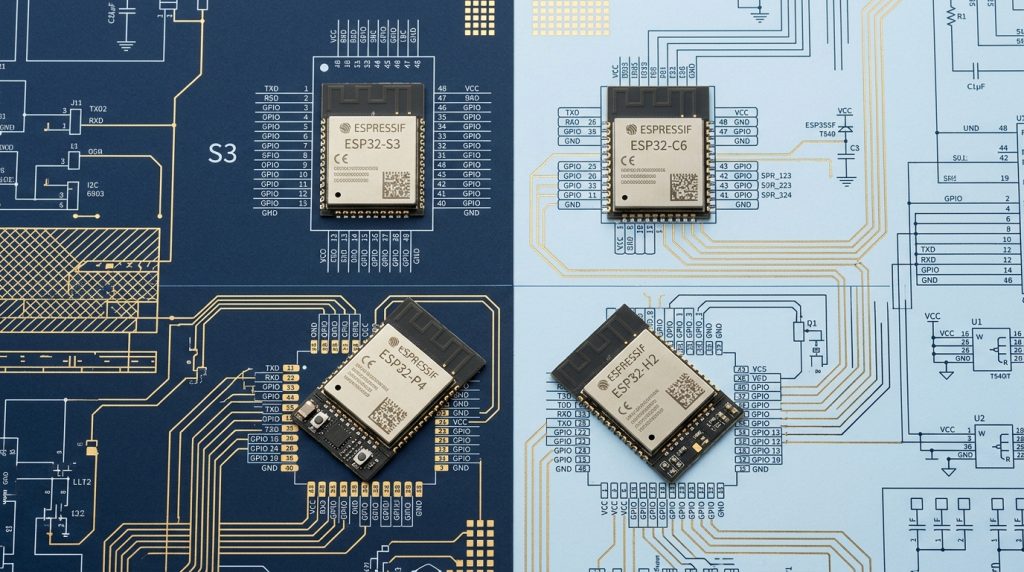
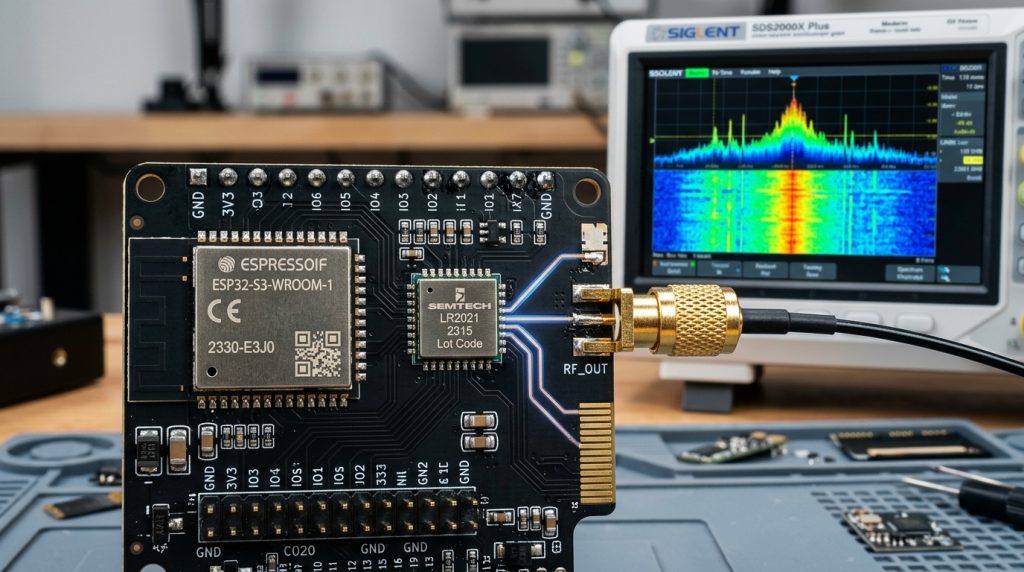
- Recommended Target: ESP32-S3 boards equipped with at least 8 MB Flash and 8 MB PSRAM (such as the ESP32-S3-DevKitC-1, M5Stack CoreS3, or DFRobot UNIHIKER K10).
- Extended Silicon Support: In addition to the S3, ESP-Claw supports Espressif’s high-performance ESP32-P4, dual-band ESP32-C5, and ESP32-S31.
Step-by-Step Setup and Telegram Integration
- In-Browser Web Flashing: Connect your ESP32-S3 over USB-C, navigate to the official web flasher at esp-claw.com, enter your Wi-Fi credentials, and configure your preferred LLM API key (OpenAI, Anthropic Claude, or DeepSeek).
- Create a Telegram Bot: Open Telegram, message
@BotFatherto generate a new bot, and copy your authorization token. - Device Activation: Connect to the device’s fallback Wi-Fi AP (
esp-claw-xxxxxx) at192.168.4.1, paste your Bot Token, and restart. You can now chat directly with your physical hardware via Telegram!