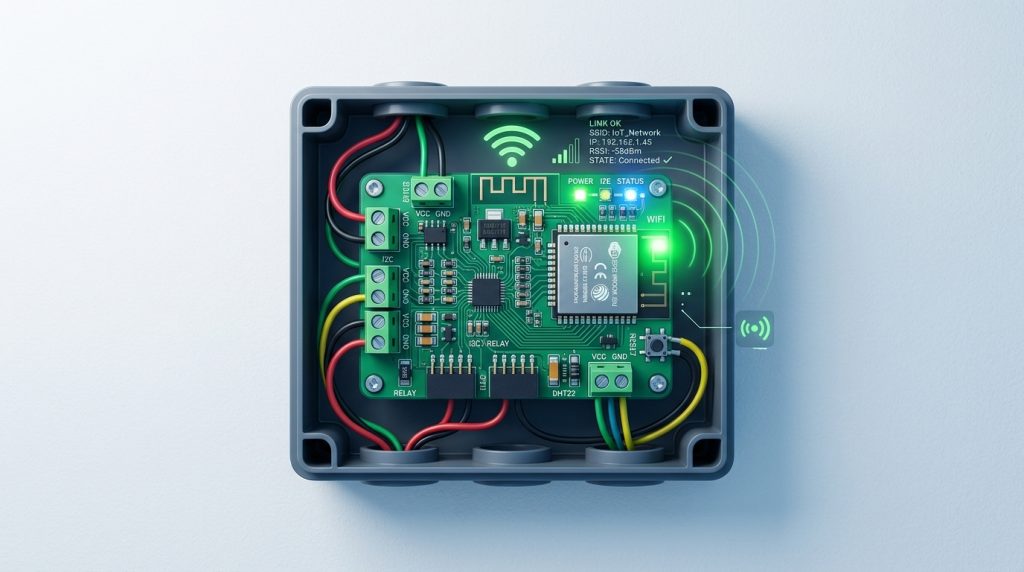
One of the most maddening edge cases in smart home automation occurs after a neighborhood power outage: Power is restored, your home lights turn back on, your router reboots—yet several critical Home Assistant ESPHome sensor and relay nodes remain permanently Offline. Unplugging and plugging them back in immediately restores their connection.
Why do ESP32 devices connect perfectly during normal daily operation, yet lock up into a “zombie state” precisely when recovering from a simultaneous grid outage? The root cause lies in a race condition between router boot latency and the ESP32’s default Wi-Fi reconnection state machine.
The Root Cause: The Router Boot Race Condition
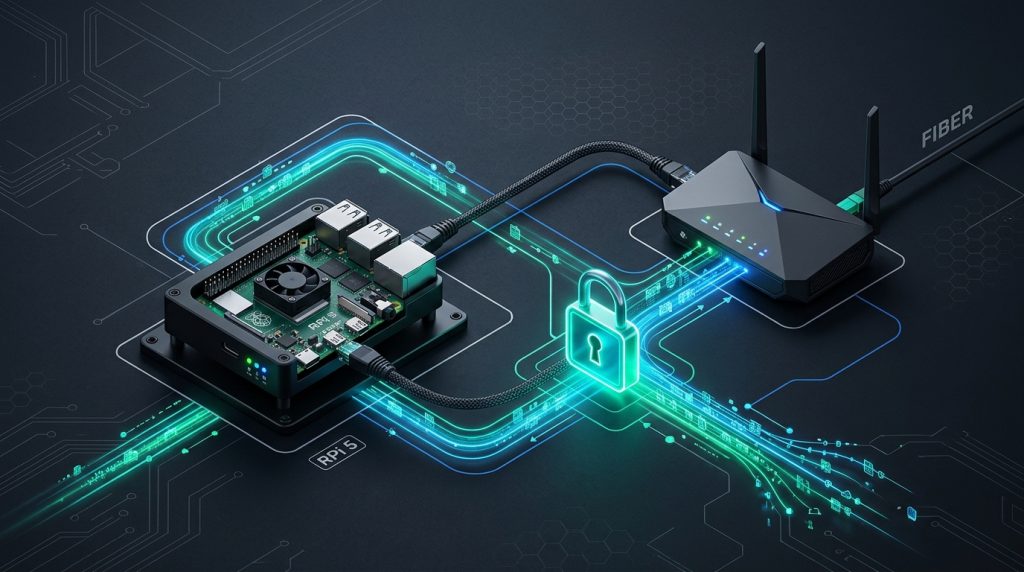
When grid power returns, your ESP32 boots in approximately 1.5 seconds. In contrast, modern Wi-Fi 6 routers and mesh access points take between 60 and 180 seconds to boot Linux, initialize radios, and broadcast beacons.
- Aggressive Reconnection Cycling: The ESP32 attempts to connect to your SSID immediately. Finding no beacon, the Wi-Fi driver enters a rapid channel scanning loop.
- Heap Fragmentation & Wi-Fi Driver Lockup: After hundreds of failed scans without an IP address, legacy Wi-Fi driver stacks inside the ESP-IDF can experience memory fragmentation or state machine stalls.
- USB CDC Buffer Overflow (ESP32-S3 / C3): On modern chips featuring native USB Serial/JTAG (ESP32-S3, C3), if debug logging is enabled and the device boots without an active USB host listening, the internal CDC TX buffer fills up. In default configurations, logging calls will block execution waiting for buffer drain, freezing the entire firmware!
The YAML Software Solution: Graceful Backoff and Watchdog Timers
To eliminate this issue permanently, implement the following battle-tested configuration block in your ESPHome YAML files:
wifi:
  ssid: !secret wifi_ssid
  password: !secret wifi_password
  fast_connect: true

  # Power Outage Protection:
  reboot_timeout: 15min    # Default 15min prevents rapid boot-looping
  output_power: 17.5dBm    # Slightly reduced transmit power eliminates current spikes
  power_save_mode: none

# Prevent Native USB CDC Logger from freezing execution
logger:
  hardware_uart: USB_SERIAL_JTAG
  level: INFO
  baud_rate: 0             # Non-blocking buffer behavior

# Hardware Watchdog Timer
esphome:
  name: salon-multi-sensor
  on_boot:
    priority: -100
    then:
      - delay: 180s
      - if:
          condition:
            not:
              wifi.connected:
          then:
            - logger.log: "Wi-Fi still offline after 3 minutes, gracefully retrying..."
Hardware Hardening: Decoupling and Power Conditioning
When mains power switches back on, the grid experiences brief voltage transients and inductive bounce. If your 5V AC/DC power supply (e.g., Hi-Link HLK-PM01) has slow voltage ramp-up times, the ESP32 can attempt to boot while the 3.3V rail is hovering between 2.0V and 2.6V, trapping the silicon in an undefined reset state.
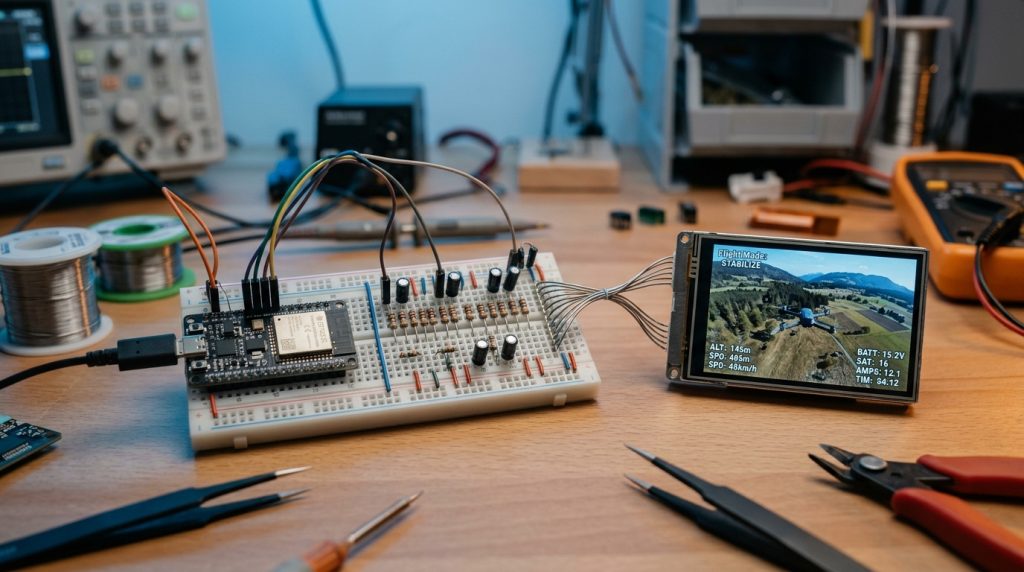
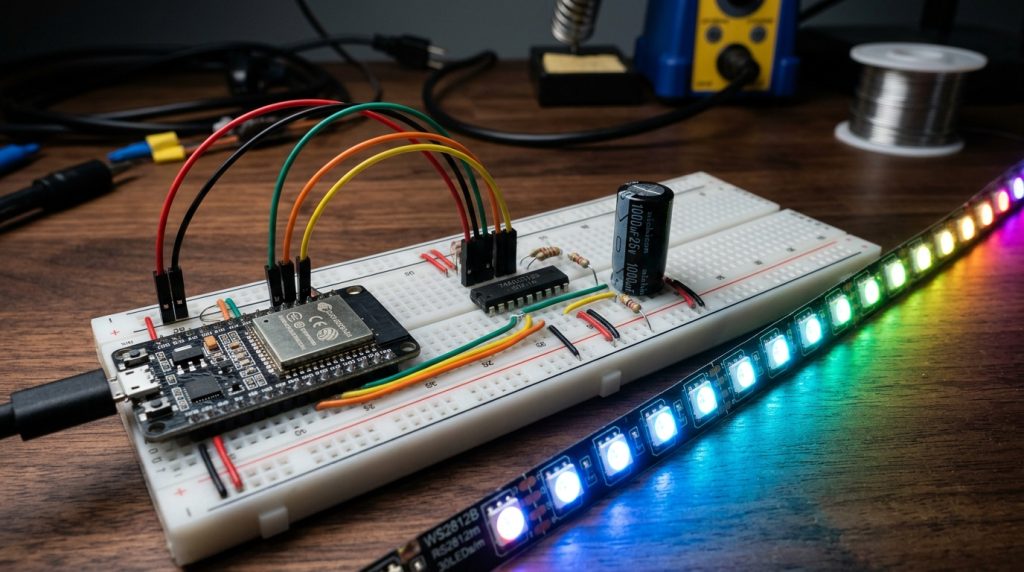
- Decoupling Capacitors: Place a 100 nF ceramic capacitor in parallel with a 10 µF tantalum capacitor as close as possible to the ESP32’s 3V3 and GND pins.
- RC Reset Circuit: Ensure your board’s EN (CHIP_PU) pin has a 10 kΩ pull-up resistor to 3.3V and a 1 µF to 10 µF capacitor to GND. This creates a ~10–50 ms power-on delay, ensuring the power supply voltage has completely stabilized before the chip is released from reset.